Bio:
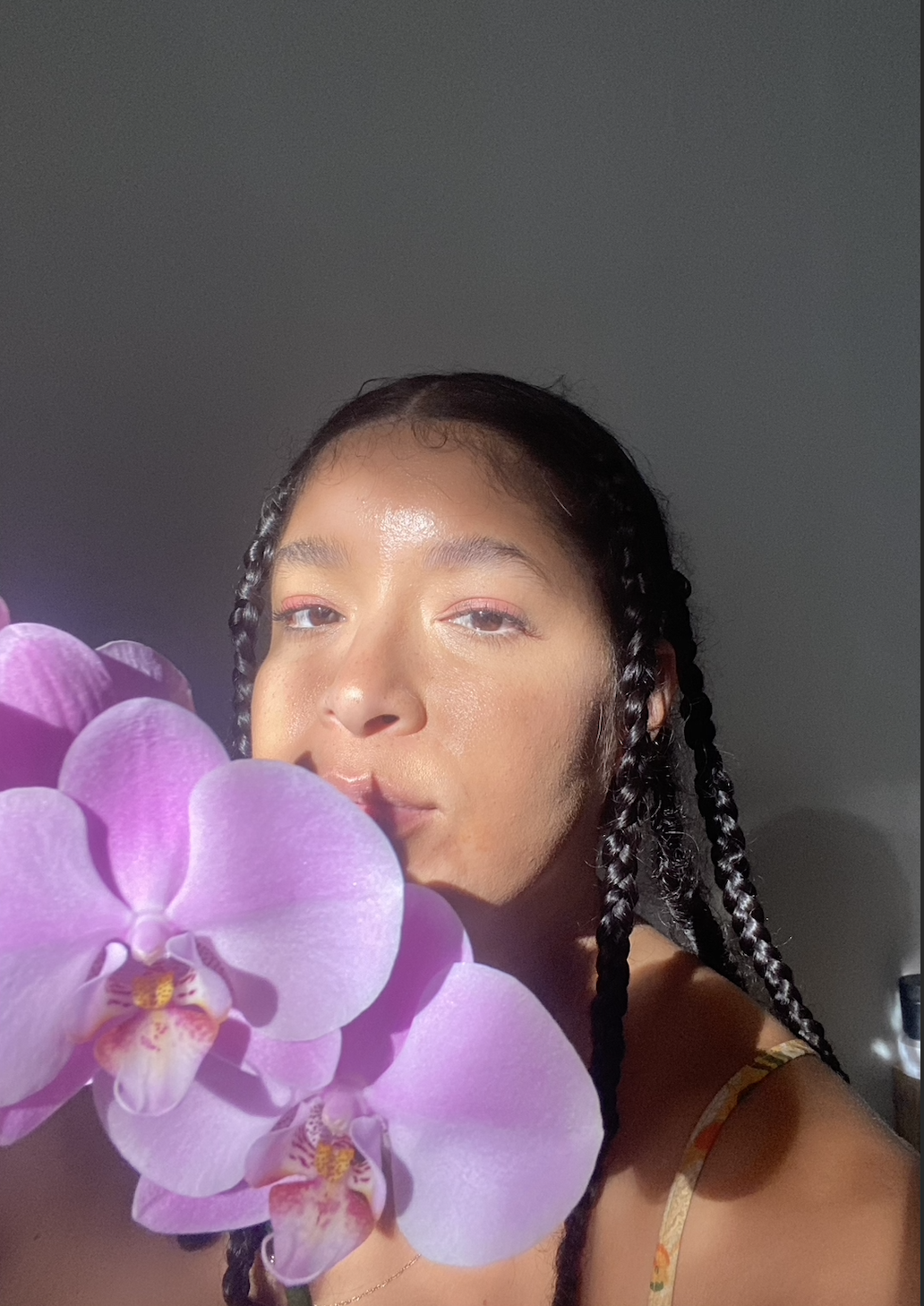
Keysha Rivera (any pronouns) is a technologist, speculative designer, and poetic researcher of indigenous (Taâino) ancestry who practices in the South. Keysha’s fusion of digital images, ancestral memory, and textiles is a type of visual storytelling and counter-archiving. Her work, rooted in the connection between material and process, creates sculptures, designs, and installations that explore the conversation around the vulnerability of land, the bodily connection to nature, and the tenderness of remembrance.
Keysha understands sculptures and sewing as a material language, an organic knowledge system, and a vehicle for healing, where craft becomes an expression of Puerto Rican and Indigenous autonomy and futurity. Keysha has an undergraduate degree in Biology and Design. She’s been a resident at Mass Moca, has been awarded a Craft Innovator Grant, and has participated in a show at the Kentucky Museum of Art and Craft.
Statement of Work:
My creative practice is rooted in gratitude—an approach that is deeply somatic and living. It draws from Puerto Rican knowledge and Indigenous ways of understanding space, material, and object as forms of ceremony. I am particularly interested in poetic structures that can hold dualities: forms that inhabit in-between states—between use and meaning, material and spirit, recognition and ambiguity. My sculptures emerge with a quiet monumental presence, acting less as objects and more as sites where stories, elements of nature, and temporal traces converge.
My interest in material extends to the invisible infrastructures that sustain form—the structural systems embedded within architecture yet obscured from sight. I approach these hidden elements as generative, considering how what is unseen shapes both physical and living frameworks, much like archives and familial research, where meaning is carried through what is preserved, remembered, and foundational.
This is what draws me to sculpture and installation, and more specifically to soft sculpture as my current medium. It allows me to engage these ideas through spatial interrogation—thinking through how forms occupy, hold, and transform. My process often begins with research, moves through spatial exploration, and unfolds into construction informed by design.
These ideas guide me toward an ongoing investigation of my personal archives, inherited memory, and dreams. My sculptures emerge at the intersection of inquiry, DNA, and history, tracing lines of continuity across generations. Much like the piece Grandma Moon, they reflect cyclical rhythms found in nature and mirrored in human experience—especially in grief, where we move through cyclical phases of transformation and return.
Materials such as horsehair function as offerings within the work, embodying my interest in how found objects can carry intention and become ceremonial acts in themselves. In this way, each piece becomes both a gesture and a vessel.
![]()
Keysha Rivera (any pronouns) is a technologist, speculative designer, and poetic researcher of indigenous (Taâino) ancestry who practices in the South. Keysha’s fusion of digital images, ancestral memory, and textiles is a type of visual storytelling and counter-archiving. Her work, rooted in the connection between material and process, creates sculptures, designs, and installations that explore the conversation around the vulnerability of land, the bodily connection to nature, and the tenderness of remembrance.
Keysha understands sculptures and sewing as a material language, an organic knowledge system, and a vehicle for healing, where craft becomes an expression of Puerto Rican and Indigenous autonomy and futurity. Keysha has an undergraduate degree in Biology and Design. She’s been a resident at Mass Moca, has been awarded a Craft Innovator Grant, and has participated in a show at the Kentucky Museum of Art and Craft.
Statement of Work:
My creative practice is rooted in gratitude—an approach that is deeply somatic and living. It draws from Puerto Rican knowledge and Indigenous ways of understanding space, material, and object as forms of ceremony. I am particularly interested in poetic structures that can hold dualities: forms that inhabit in-between states—between use and meaning, material and spirit, recognition and ambiguity. My sculptures emerge with a quiet monumental presence, acting less as objects and more as sites where stories, elements of nature, and temporal traces converge.
My interest in material extends to the invisible infrastructures that sustain form—the structural systems embedded within architecture yet obscured from sight. I approach these hidden elements as generative, considering how what is unseen shapes both physical and living frameworks, much like archives and familial research, where meaning is carried through what is preserved, remembered, and foundational.
This is what draws me to sculpture and installation, and more specifically to soft sculpture as my current medium. It allows me to engage these ideas through spatial interrogation—thinking through how forms occupy, hold, and transform. My process often begins with research, moves through spatial exploration, and unfolds into construction informed by design.
These ideas guide me toward an ongoing investigation of my personal archives, inherited memory, and dreams. My sculptures emerge at the intersection of inquiry, DNA, and history, tracing lines of continuity across generations. Much like the piece Grandma Moon, they reflect cyclical rhythms found in nature and mirrored in human experience—especially in grief, where we move through cyclical phases of transformation and return.
Materials such as horsehair function as offerings within the work, embodying my interest in how found objects can carry intention and become ceremonial acts in themselves. In this way, each piece becomes both a gesture and a vessel.